
January 3, 2023
What is an NFT (Non-Fungible Tokens) and how you can buy one
NFTs, short for Non-Fungible Tokens, have taken the digital world by storm, revolutionizing the way we perceive and trade digital assets. In essence, an NFT represents a unique item or piece of content that cannot be replicated or replaced. Unlike cryptocurrencies such as Bitcoin or Ethereum, which are fungible and can be exchanged on a one-to-one basis, NFTs are indivisible and possess distinct characteristics that set them apart.
What is an NFT (Non-Fungible Tokens) and how you can buy one
When it comes to buying an NFT, there are various platforms and tools available, and one popular option is iCode, a user-friendly wallet and tool designed specifically for purchasing NFT assets. iCode provides a seamless and secure environment for navigating the NFT marketplace, allowing individuals to explore and acquire their desired digital collectibles, artwork, music, virtual real estate, and more.
With iCode, the process of buying an NFT becomes straightforward. First, users need to create an account on the platform and set up their digital wallet. Once the wallet is set up, they can fund it with cryptocurrency, typically Ethereum, as most NFT transactions occur on the Ethereum blockchain. iCode supports a variety of cryptocurrencies, making it convenient for users to choose their preferred digital assets for purchasing NFTs.
After securing funds in the wallet, users can browse through the extensive collection of NFTs available on iCode. The platform offers a wide range of options, catering to different interests and preferences. Whether someone is seeking digital art, virtual gaming assets, or exclusive music releases, iCode provides a diverse marketplace where users can explore and discover unique NFTs from various creators.
When users find an NFT they wish to purchase, iCode facilitates the transaction process. They can simply select the desired NFT and proceed to the checkout. iCode ensures secure and transparent transactions, leveraging blockchain technology to authenticate ownership and verify the uniqueness of each NFT. Once the purchase is complete, the acquired NFT is transferred to the buyer's digital wallet, providing them with full ownership and control over the digital asset.
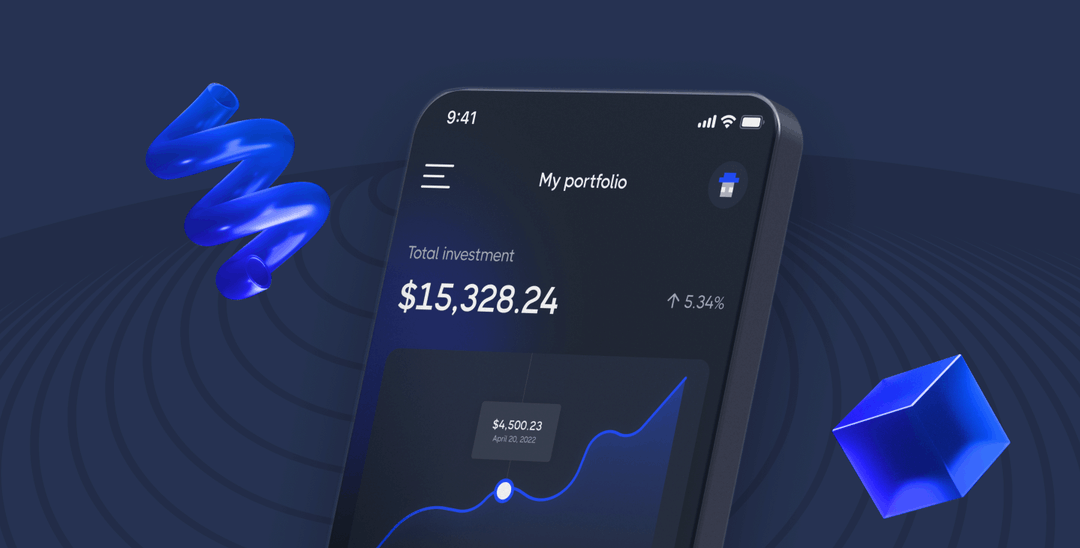
iCode also offers additional features to enhance the NFT experience. Users can track the value and performance of their NFT portfolio, participate in auctions and bidding wars, and even trade or sell their NFTs on the platform. These features make iCode a comprehensive tool for NFT enthusiasts, providing a seamless buying and trading experience within the vibrant world of non-fungible tokens.

Odio facilisis mauris sit amet massa vitae tortor.
How to ensure the wallet you are choosing is actually secure?
Ensuring the security of the wallet you choose is crucial when dealing with digital assets like cryptocurrencies and NFTs. Here are some key steps to help you evaluate and select a secure wallet:
- Conduct thorough research on the wallet provider you are considering. Look for reputable and well-established companies with a track record of providing secure services. Check for user reviews, ratings, and feedback from the community to gauge the wallet's reputation.
- Understand the different types of wallets available: hardware wallets, software wallets, and web wallets. Hardware wallets, such as Ledger or Trezor, are considered the most secure, as they store your private keys offline. Software wallets, like Exodus or Atomic Wallet, run on your computer or mobile device, while web wallets, including MyEtherWallet or MetaMask, operate through a browser extension. Assess the pros and cons of each type based on your preferences and security requirements.
- Look for wallets that offer robust security features. These may include two-factor authentication (2FA), which adds an extra layer of protection, or multi-signature (multi-sig) functionality, which requires multiple authorizations for transactions. Additionally, wallets with built-in encryption and password protection can further safeguard your funds.
- Open-source wallets allow the community to review the code, increasing transparency and reducing the likelihood of hidden vulnerabilities. Check if the wallet you are considering is open-source and if it has undergone security audits by reputable third-party organizations. Audits help identify potential weaknesses or bugs in the wallet's code, ensuring greater security.
- Active development and regular updates are indicators of a wallet's commitment to security. Wallets that frequently release updates, bug fixes, and security patches demonstrate their dedication to maintaining a secure platform. Stay informed about the wallet's development activities and ensure that security remains a priority.
- A strong and engaged user community can provide insights into the wallet's security and reliability. Look for wallets with active forums, social media channels, and responsive customer support. Being part of a community can help you stay updated on security concerns and receive timely assistance if needed.
- Wallets that allow you to store your private keys offline (cold storage) offer an added layer of protection against online threats. Ensure you have a secure and reliable method for backing up your wallet, such as writing down your recovery seed or utilizing encrypted offline backups.
- Adopt good security practices to further enhance the safety of your wallet. Use strong, unique passwords for your wallet and enable 2FA whenever possible. Keep your wallet software and operating system up to date to protect against known vulnerabilities. Be cautious of phishing attempts, avoid sharing sensitive information, and double-check the website's URL before entering any login details.
By considering these factors and taking necessary precautions, you can significantly increase the likelihood of choosing a secure wallet for your digital assets. Remember, maintaining security is an ongoing process, so stay informed and proactive in safeguarding your wallet and funds.